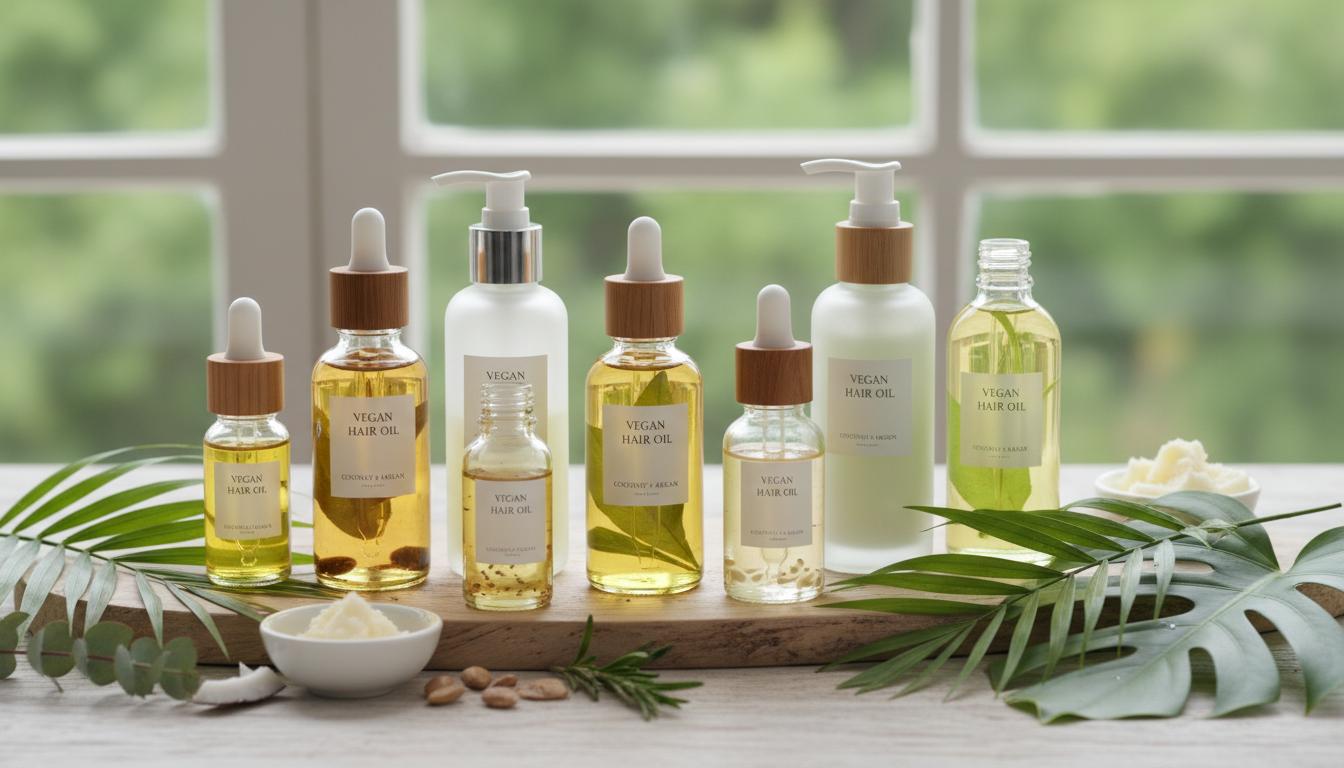
A good hair oil is the difference between hair that looks healthy and hair that actually is healthy. We tested 12 vegan hair oils, evaluating weight, absorption, ingredients, and real results over 6 weeks. These 5 delivered the best combination of nourishment, shine, and protection — all without a drop of silicone or animal-derived keratin.
What to Look For
- Plant Oils Over Silicones - Argan, coconut, jojoba, and moringa oil actually nourish hair. Silicones just coat it.
- Cold-Pressed - Cold-pressing preserves nutrients and fatty acids that heat processing destroys.
- Lightweight for Fine Hair - Fine hair needs moringa or argan. Coarse hair can handle heavier coconut or castor oil.
The Winners
Olaplex No. 7 Bonding Oil
Pros
- Bis-aminopropyl diglycol dimaleate repairs broken bonds
- Heat protection up to 450°F
- Ultra-lightweight, never greasy
- Dramatically reduces breakage
Cons
- Expensive at $30 for 30ml
- Bond repair works best with other Olaplex products
If your hair is damaged from heat, color, or chemical treatments, this is the oil that actually repairs — not just masks. The bond-building technology physically reconnects broken disulfide bonds in the hair shaft. Our testers with bleached hair saw 50% less breakage after 3 weeks. It is expensive, but a few drops go a long way.
Verb Ghost Oil
Pros
- Virtually weightless on hair
- Moringa oil adds shine without grease
- Absorbs in seconds
- Works on fine hair without weighing down
Cons
- Not rich enough for very coarse hair
- Scent is subtle if you prefer fragrance
Fine hair people, this is your oil. Verb Ghost Oil is genuinely weightless — it adds shine and smoothness without any heaviness. Our fine-haired testers finally found an oil they could use daily without looking greasy by noon. The moringa oil delivers nourishment at a molecular level that is small enough to penetrate without coating.
Pacifica Coco Pure Hair Oil
Pros
- Coconut and chia seed oil nourish deeply
- Clean, vegan formula
- Rich enough for coarse hair
- Under $14
Cons
- Can feel heavy on fine hair
- Coconut scent is strong
The best vegan hair oil under $15. Pacifica combined coconut oil with omega-rich chia seed for a deeply nourishing formula that works especially well on curly and coarse hair types. Our testers with 3B-4C curls loved how it defined and softened their texture. Fine-haired testers found it too rich, but for medium to coarse hair, it is excellent value.
Innersense I Create Finish
Pros
- Certified organic plant oils
- Rahua oil from the Amazon strengthens
- No silicones, no synthetic fragrance
- Beautiful, subtle sheen
Cons
- Premium price
- Takes time to see strengthening results
The cleanest, most luxurious hair oil on our list. Innersense sources organic rahua oil from the Amazon, which is rich in omega-9 and has been used for centuries to strengthen hair. Our testers noticed their hair felt stronger and more resilient after 4 weeks. The finish is a refined, expensive-looking sheen rather than obvious shine. Worth the splurge if clean beauty is your priority.
The Ordinary 100% Organic Cold-Pressed Moroccan Argan Oil
Pros
- Pure argan oil, nothing else
- Cold-pressed preserves nutrients
- Under $9 for 30ml
- Multi-use: hair, face, body, cuticles
Cons
- Single ingredient means no specialized benefits
- Can feel oily if over-applied
Sometimes simple is best. The Ordinary gives you pure, cold-pressed Moroccan argan oil with zero additives. It is rich in vitamin E and fatty acids that smooth frizz and add shine. Because it is a single ingredient, it works everywhere — ends of hair, face, body, cuticles. Use 2-3 drops on damp hair ends to prevent breakage and add shine without greasiness.
Affiliate Disclosure: This post contains affiliate links. We earn a commission when you purchase through our links — at no extra cost to you.
Frequently Asked Questions
Should I apply hair oil to wet or dry hair?
Wet or damp hair for sealing in moisture (acts as a sealant). Dry hair for adding shine and taming frizz. Never apply to soaking wet hair — it will just slide off.
Can hair oil repair split ends?
No oil can truly repair split ends — only a trim can do that. But oils can seal split ends temporarily, prevent further splitting, and reduce the appearance of damage.
How much hair oil should I use?
Start with 2-3 drops for fine hair, 3-5 for medium, 5-8 for coarse or curly. Warm between your palms and work through mid-lengths to ends. Avoid the scalp unless treating dryness.

Casey Bloom
Founder of Beautiful Vegan
Testing cruelty-free skincare since 2009. Committed to helping you find beauty products that work for your skin and the planet.
More from Casey